Department of Psychology Organizes Successful De-Stress Camp 2026 Promoting Mental Health and Well-Being
A Transformative De-Stress Camp Celebrating Stress Awareness Month 2026
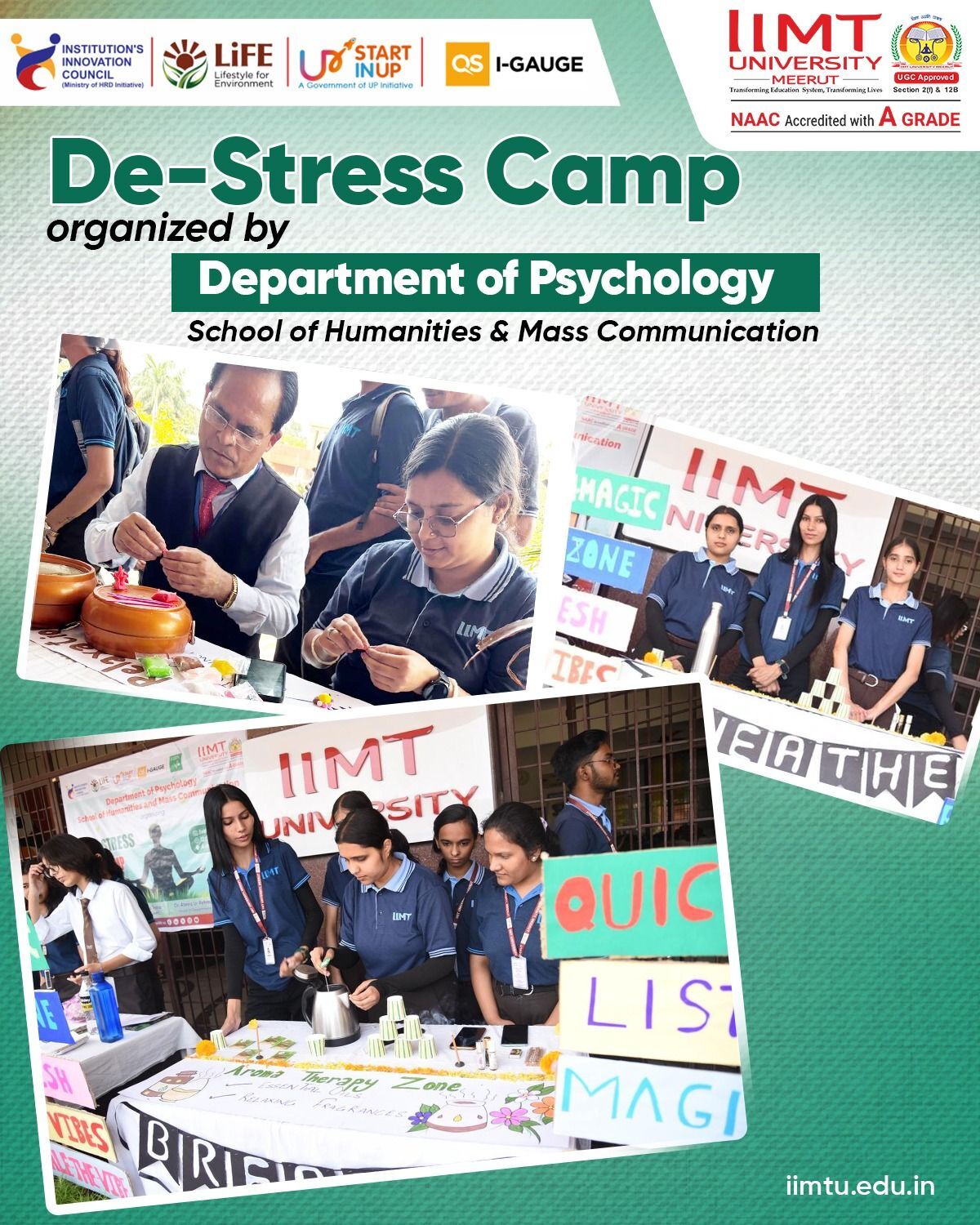
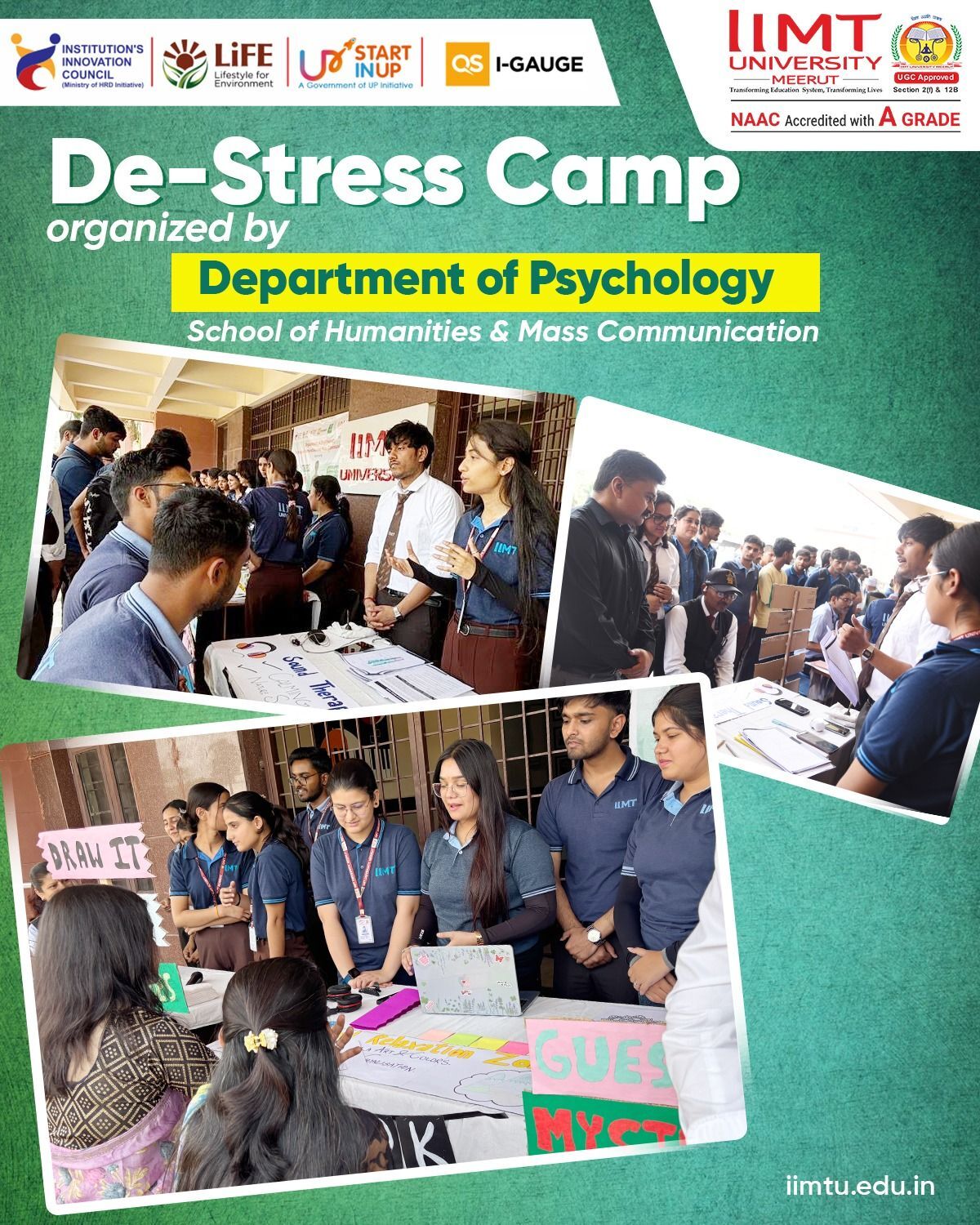
The Department of Psychology, School of Humanities & Journalism, successfully organized an inspiring and impactful De-Stress Camp on 17th April 2026, commemorating Stress Awareness Month with a meaningful initiative dedicated to mental health, emotional resilience, and overall well-being. The event brought together students, faculty members, and participants from diverse backgrounds to experience practical, engaging, and scientifically informed stress-management techniques through a unique sensory-based approach.
Designed around the five fundamental senses—sight, hearing, smell, taste, and touch, the De-Stress Camp created an immersive environment where participants could explore simple yet highly effective methods for reducing stress and cultivating mindfulness in their daily lives. Through interactive activities, experiential learning, and wellness-focused engagement, the camp reinforced the importance of self-care in today's fast-paced and demanding world.
The initiative strongly reflected the commitment of the Department of Psychology toward promoting psychological well-being and encouraging healthier lifestyles among students and the wider community.
Promoting Mental Health Through Experiential Learning
Mental health has become an increasingly important aspect of overall wellness. Recognizing the growing need for stress-management strategies, the Department of Psychology developed the De-Stress Camp as a practical platform where participants could experience evidence-based techniques in an engaging and accessible format.
Unlike traditional awareness programs that rely solely on lectures and discussions, the De-Stress Camp adopted a hands-on approach. Participants actively explored wellness activities through specially curated booths designed to stimulate the senses and encourage mindfulness.
This experiential format enabled attendees to understand how small daily practices can significantly improve emotional balance, concentration, relaxation, and resilience. The event highlighted that managing stress does not necessarily require major lifestyle changes; rather, consistent mindful habits can create meaningful improvements in mental well-being.
Five-Senses-Based Wellness Experience
One of the most distinctive features of the De-Stress Camp was its innovative design centered around the five human senses. Each booth provided participants with opportunities to engage in activities that demonstrated how sensory experiences can influence emotional states and reduce stress.
Sight: Creating Calm Through Visual Experiences
The sight-based activities focused on the power of visual stimuli in promoting relaxation and emotional comfort. Participants interacted with calming imagery, soothing color schemes, nature-inspired visuals, and mindfulness exercises designed to reduce mental clutter and encourage present-moment awareness.
Visual relaxation techniques showcased how exposure to positive and peaceful imagery can help alleviate anxiety, improve focus, and support emotional regulation.
Hearing: The Healing Power of Sound
The hearing booth introduced participants to the therapeutic effects of sound and music. Through guided auditory experiences, calming melodies, nature sounds, and relaxation-based listening exercises, attendees discovered how sound can positively influence mood and reduce psychological stress.
The activities demonstrated the role of auditory stimulation in promoting mental clarity, relaxation, and emotional stability, making hearing-based wellness practices a valuable tool for everyday stress management.
Smell: Enhancing Well-Being Through Aromatic Experiences
The smell-centered activities highlighted the connection between scent and emotional responses. Participants explored a variety of soothing fragrances and aromatic experiences that promoted calmness, relaxation, and mental refreshment.
The booth provided valuable insights into how certain scents can trigger positive emotions, improve mood, and contribute to stress reduction. The aromatic experiences encouraged participants to incorporate sensory wellness practices into their daily routines.
Taste: Mindful Eating and Sensory Awareness
The taste booth focused on cultivating awareness through mindful eating experiences. Participants engaged in activities that encouraged them to slow down, appreciate flavors, and become more conscious of their sensory experiences while eating.
These exercises demonstrated how mindful consumption can support emotional well-being, reduce stress-related eating habits, and foster a healthier relationship with food. The activities reinforced the importance of being present and attentive during everyday experiences.
Touch: Grounding Techniques for Emotional Balance
The touch-based activities introduced participants to grounding exercises and tactile experiences that promote relaxation and emotional regulation. Through interactive sensory materials and hands-on engagement, attendees explored how physical sensations can help reduce stress and increase feelings of comfort and stability.
These experiences highlighted the role of touch in enhancing mindfulness, reducing tension, and supporting overall mental wellness.
Encouraging Self-Care and Emotional Resilience
A key objective of the De-Stress Camp was to foster a culture of self-care among participants. In today's highly competitive academic and professional environments, individuals often prioritize productivity while overlooking their emotional needs.
The camp served as an important reminder that mental health deserves equal attention and care. Through practical demonstrations and interactive learning opportunities, participants were encouraged to integrate small wellness practices into their daily lives.
The event emphasized several essential self-care principles, including:
- Practicing mindfulness regularly
- Taking intentional breaks during busy schedules
- Engaging with sensory relaxation techniques
- Prioritizing emotional well-being
- Developing healthy coping mechanisms
- Building resilience through self-awareness
- Creating balance between personal and professional responsibilities
By promoting these practices, the Department of Psychology reinforced the message that mental wellness is a continuous journey supported by consistent and mindful actions.
Alignment with UN Sustainable Development Goal 3
The De-Stress Camp was closely aligned with United Nations Sustainable Development Goal 3 (SDG 3): Good Health and Well-Being. This global objective aims to ensure healthy lives and promote well-being for people of all ages.
Mental health forms an essential component of overall health, and initiatives such as the De-Stress Camp contribute significantly toward achieving this goal. By increasing awareness about stress management, emotional resilience, and psychological wellness, the event supported broader efforts to create healthier and more sustainable communities.
The camp demonstrated how educational institutions can play a pivotal role in advancing global well-being initiatives by fostering awareness, encouraging healthy habits, and creating supportive environments for mental health promotion.
Enthusiastic Participation Reflecting Growing Mental Health Awareness
The overwhelming participation and positive response to the De-Stress Camp reflected a growing recognition of the importance of mental health within educational communities. Students and attendees actively engaged with the activities, showing genuine interest in learning practical techniques for managing stress and enhancing well-being.
The vibrant atmosphere throughout the event showcased the increasing willingness of individuals to discuss mental health openly and seek proactive strategies for emotional wellness. Participants appreciated the interactive nature of the camp and the opportunity to explore self-care practices in an engaging and supportive environment.
The enthusiasm observed during the event highlighted a positive cultural shift toward greater acceptance of mental health conversations and wellness-focused initiatives.
The Role of Psychology in Building Healthier Communities
The success of the De-Stress Camp underscores the critical role that psychology plays in promoting individual and collective well-being. As mental health challenges continue to affect people across all age groups, educational institutions have an important responsibility to provide resources, awareness programs, and supportive environments.
Through initiatives like this, the Department of Psychology continues to demonstrate leadership in fostering psychological literacy, emotional intelligence, and wellness-centered education. Such programs empower individuals with practical knowledge and tools that can positively impact their academic performance, personal growth, and overall quality of life.
The camp also reinforced the value of preventive mental health practices, emphasizing that proactive self-care can help individuals navigate challenges more effectively and maintain long-term emotional well-being.
A Meaningful Step Toward Holistic Well-Being
The De-Stress Camp 2026 stands as a remarkable example of how innovative, experiential learning can promote mental health awareness and inspire positive behavioral change. By integrating sensory experiences, mindfulness practices, and interactive engagement, the event successfully encouraged participants to prioritize their emotional well-being and adopt healthier stress-management habits.
The initiative reflected the Department of Psychology’s commitment to creating meaningful opportunities for learning, growth, and wellness. Through its focus on the five senses, self-care, and emotional balance, the camp provided valuable insights that participants can carry forward into their daily lives.
As awareness surrounding mental health continues to grow, programs such as the De-Stress Camp serve as powerful reminders that small mindful actions can have a profound impact on overall well-being. The success of this event marks another significant milestone in promoting a healthier, more resilient, and emotionally balanced community.
17-Apr-2026
Back