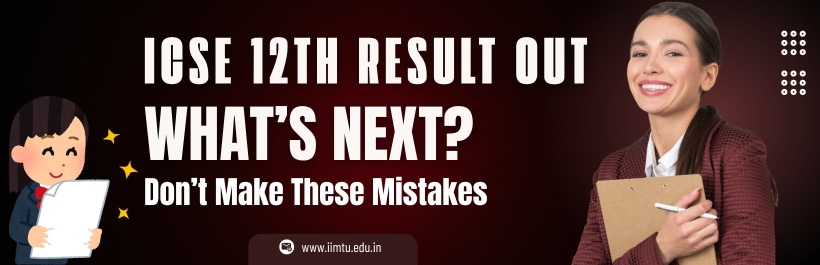
The announcement of the ICSE 12th result is more than a milestone—it is a turning point that demands clarity, maturity, and strategic thinking. At this stage, we are not simply celebrating scores; we are stepping into a phase where our decisions define our career trajectory, professional identity, and long-term success. While many students rush into decisions driven by pressure or trends, we must approach this moment with awareness, research, and confidence.
Understanding Your Result with a Broader Perspective
Marks are often misunderstood as the ultimate measure of success. In reality, they are just one part of a much larger picture. We must interpret our results in a way that highlights our strengths, interests, and potential areas of growth. A high score in one subject does not necessarily mean it should define our career, just as a lower score does not indicate inability.
Instead of reacting emotionally, we should take time to evaluate what truly excites us academically. When we align our future choices with interest and capability, we create a path that is sustainable and fulfilling. This approach ensures that we do not regret our decisions later.
Common Mistakes to Avoid After ICSE 12th Result
One of the biggest mistakes students make is following the crowd without self-reflection. When peers choose a particular course, it creates a sense of urgency to do the same. However, every individual has unique strengths, and copying others often leads to dissatisfaction.
Another major issue is lack of research. Many students choose courses without understanding the curriculum, career scope, or industry demand. This results in confusion during college years and limited opportunities afterward.
Students also tend to ignore emerging career fields, focusing only on traditional options like engineering or medicine. While these are excellent paths, they are not the only ones. Today’s world offers diverse opportunities that can be equally rewarding.
What to Do Next: Building a Clear Career Direction
The most important step after the ICSE 12th result is to develop a clear and informed plan. This involves understanding available courses, exploring career paths, and aligning them with personal goals.
Exploring Degree Options Across Streams
Science Stream Opportunities
Students from science backgrounds have access to a wide range of fields. Traditional options like engineering, medicine, and pure sciences remain strong choices. However, modern fields such as Artificial Intelligence, Biotechnology, Environmental Science, and Data Analytics are rapidly growing and offer excellent career prospects.
Commerce Stream Opportunities
Commerce provides a solid foundation for careers in finance and business. Degrees such as B.Com, BBA, Chartered Accountancy (CA), and Company Secretary (CS) are highly valued. These courses focus on analytical thinking, financial management, and corporate understanding.
Arts and Humanities Opportunities
The arts stream has evolved significantly, offering careers in psychology, law, journalism, design, public administration, and social sciences. These fields emphasize creativity, communication, and critical thinking, making them highly relevant in today’s world.
Career Roadmap After ICSE 12th – A Step-by-Step Direction for Success
After the declaration of the ICSE 12th result, what truly differentiates successful students is not just the course they choose, but the clarity of the roadmap they follow. Without a structured plan, even the best course can feel confusing and unproductive. Therefore, we must approach our career journey with a clear, phased strategy that ensures continuous growth.
In the first phase, immediately after results, we should focus on self-analysis and course selection. This is the time to evaluate interests, shortlist courses, and finalize colleges. Rushing into admissions without this clarity often leads to regret. Once the course is selected and college begins, the second phase should focus on foundation building. This includes understanding core subjects, improving communication skills, and actively participating in academic and extracurricular activities.
As we move into the second and third years of our degree, the focus must shift toward practical exposure and specialization. Internships, live projects, certifications, and networking become essential during this stage. These experiences help us understand industry expectations and prepare us for real-world challenges. Finally, in the last phase of our academic journey, we must concentrate on career execution, which includes placements, higher education preparation, or entrepreneurial planning. A well-structured roadmap ensures that we are not just studying, but consistently progressing toward a defined goal.
Entrance Exams After 12th – What You Need to Know
Entrance exams are essential for securing admission into top institutions. Proper understanding and preparation can open doors to quality education and better career paths.
Students aiming for central universities should focus on CUET UG 2026(Common University Entrance Test). Law aspirants must prepare for CLAT(Common Law Admission Test), while engineering and medical students target JEE(Joint Entrance Examination) and NEET(National Eligibility cum Entrance Test) respectively.
Success in these exams depends on concept clarity, regular practice, and time management.
Key Points for Preparation:
- Start early and stay consistent
- Focus on concept-based learning
- Practice mock tests regularly
- Manage time effectively during exams
- Stay updated with exam patterns and syllabus
High-Demand Courses in 2026 – Future-Focused Career Choices
The career landscape is evolving rapidly, and we must align our choices with future industry demand rather than outdated trends. Selecting the right course ensures better opportunities, job stability, and long-term growth.
Fields like Artificial Intelligence and Data Science are transforming industries by combining automation and analytics, making them highly valuable. Similarly, Cyber Security is growing due to increasing digital threats, creating strong demand for skilled professionals. Digital Marketing continues to expand as businesses shift online, offering roles in branding, content, and performance marketing.
At the same time, Psychology and Mental Health Studies are gaining importance as awareness around well-being increases. Environmental Science and Sustainability also stand out, focusing on solving global challenges like climate change.
Key Points to Remember:
- Choose courses with future relevance and scalability
- Focus on industry demand, not just popularity
- Look for practical exposure and skill integration
Top Colleges and Universities to Consider
Choosing the right institution is as important as selecting the course. A good university provides quality education, exposure, networking opportunities, and career support.
Top Universities in India
- University of Delhi – Known for its strong academic reputation and diverse courses.
- Banaras Hindu University – Offers a wide range of programs with excellent faculty.
- Jawaharlal Nehru University – Renowned for research and humanities courses.
- Amity University – Popular for professional and industry-oriented programs.
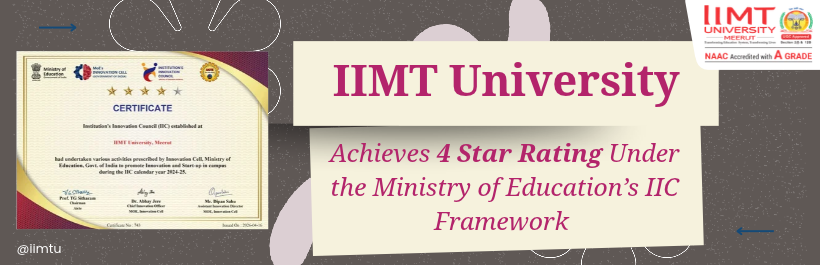
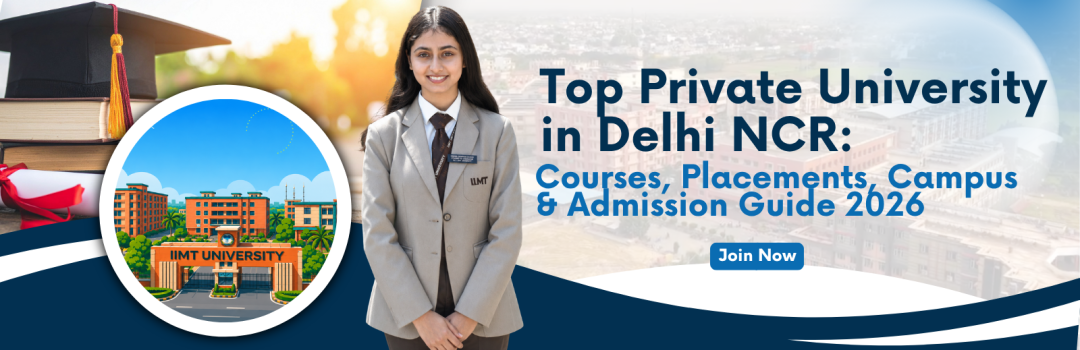
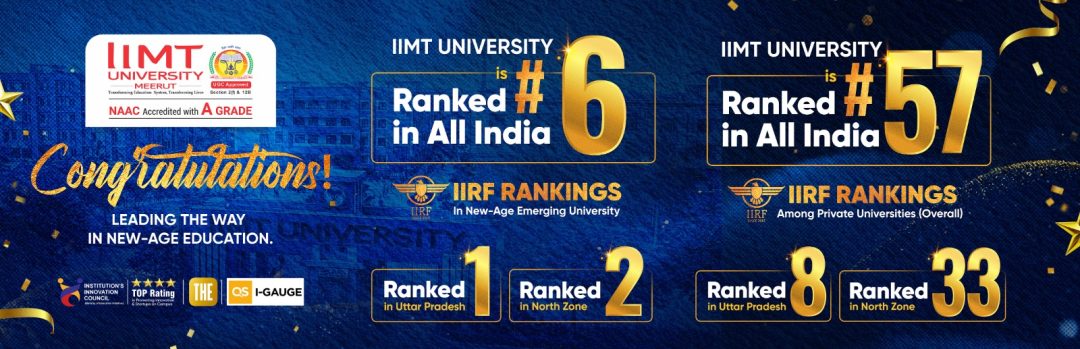
- IIMT University – Emerging as a strong choice for students seeking career-focused education, modern infrastructure, and industry exposure.
Why Consider IIMT University?
IIMT University has gained attention for its practical learning approach, experienced faculty, and diverse course offerings. IIMT Universites top UG courses focuses on skill development, internships, and placements makes it a valuable option for students who want a balanced academic and professional experience.
Choosing the Right Degree: Practical Approach
When selecting a degree, we must consider not only the course content but also future opportunities and personal growth. A well-chosen degree allows us to develop expertise while keeping options open for specialization.
Professional degrees provide direct career pathways, while traditional degrees offer flexibility for higher education. The best choice is one that aligns with long-term goals and learning preferences.
Skills You Must Start NOW – Building Your Real Strength
Academic knowledge alone is not enough in today’s world. We must start building practical, Top skills students must learn in 2026 immediately after the ICSE 12th result to stay competitive.
Strong communication skills help in interviews, presentations, and professional growth. Digital skills are now essential, including basic tools, online platforms, and emerging technologies. Equally important are critical thinking and problem-solving abilities, which allow us to adapt and make better decisions.
Networking and personal branding through platforms like LinkedIn help in building connections and exploring opportunities early.
Key Points to Focus On:
- Improve spoken and written communication
- Learn basic digital and tech tools
- Develop analytical thinking
- Build a strong professional network
- Gain experience through internships and certifications
Skill Development: The Real Game Changer
In today’s competitive world, success depends on more than academic qualifications. We must actively develop skills such as communication, digital literacy, problem-solving, and leadership. These abilities enhance employability and prepare us for real-world challenges.
Students who invest time in internships, certifications, and practical learning gain a significant advantage. Skill development transforms theoretical knowledge into practical expertise, making us industry-ready.
Exploring Career Opportunities Beyond Traditional Paths
The modern career landscape offers exciting alternatives to conventional options. Fields like digital marketing, content creation, UI/UX design, entrepreneurship, and sports management are growing rapidly. These careers provide flexibility, creativity, and strong earning potential.
Choosing such paths requires confidence and proper research, but they often lead to innovative and fulfilling careers.
Managing Pressure and Staying Focused
After results, students often face pressure from family and society. It is important to remain calm and make decisions based on logic and self-awareness, not fear or comparison. Every student has a unique journey, and success comes from consistency, not competition.
Frequently Asked Questions (FAQs)
What should we do immediately after the ICSE 12th result?
We should carefully analyze our results, identify strengths, and start researching courses and colleges that match our interests.
Which course is best after ICSE 12th?
The best course depends on individual interest, aptitude, and career goals. There is no single “best” option for everyone.
Is it necessary to choose a popular career path?
No, choosing a path based on interest and potential is far more effective than following trends.
How important is college selection?
College plays a crucial role in shaping exposure, skills, and career opportunities. It should be chosen carefully.
Can we change our career path later?
Yes, many career paths offer flexibility, but early clarity helps in making better decisions.
Mistakes Parents Make After 12th – A Reality Check
Parents play a crucial role in shaping decisions, but certain mistakes can create pressure and confusion. One common issue is forcing students into traditional careers like engineering or medicine without considering their interests. This often leads to lack of motivation and dissatisfaction.
Another mistake is constant comparison, which negatively impacts confidence. Many parents also underestimate modern career options, assuming they are unstable, while in reality, they offer strong growth.
The best approach is to guide with understanding and support, allowing students to explore their strengths and make informed decisions.
Key Points for Better Support:
- Avoid forcing career choices
- Do not compare with others
- Encourage exploration of new fields
- Focus on student interest and ability
- Support long-term growth over short-term prestige
Conclusion: Make Smart Decisions, Not Quick Ones
The release of the ICSE 12th result is the beginning of a new journey filled with opportunities. What truly matters is not the marks we scored, but the choices we make afterward. By avoiding common mistakes, conducting proper research, and focusing on our strengths, we can build a strong and successful future.
We must move forward with confidence, clarity, and determination. With the right mindset and informed decisions, we can transform this moment into a powerful stepping stone toward long-term success.
Your result is just the starting point. Your decisions will define your destination. Choose wisely and shape your future with purpose.