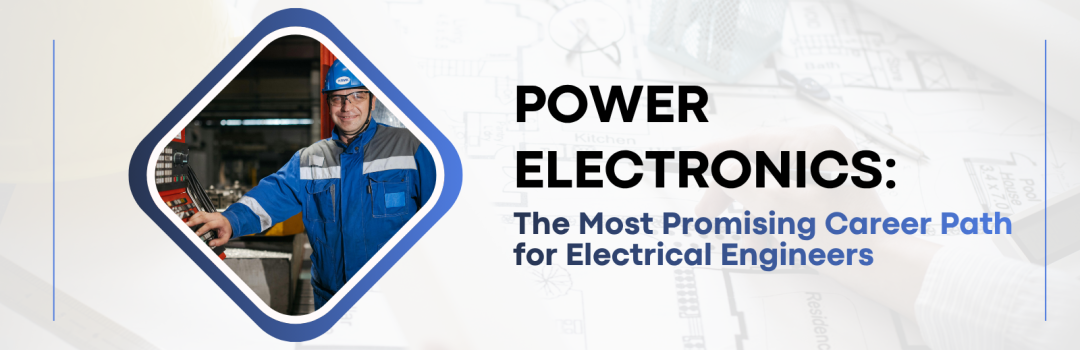
Every year, engineering aspirants face the same question: which branch will still be relevant a decade from now? While flashier fields grab headlines, B.Tech Electrical Engineering has quietly remained one of the most dependable, future-proof choices in India’s technical education landscape. From powering the electric vehicle revolution to enabling renewable energy grids and smart infrastructure, electrical engineers sit at the center of nearly every major shift reshaping India’s economy in 2026.
Why Electrical Engineering Keeps Getting More Relevant
1. The EV and clean energy transition depends on it. India’s push toward electric mobility and renewable energy isn’t just a policy goal, it’s an engineering challenge, and electrical engineers are the ones solving it. Power systems, battery management, motor control, and grid integration all fall squarely within this discipline’s scope.
2. Smart infrastructure needs electrical expertise at every layer. Smart cities, automated manufacturing, and IoT-enabled homes all rely on robust electrical systems design. As India accelerates infrastructure modernization, demand for engineers who understand both classical power systems and modern automation continues to climb.
3. It’s a genuinely versatile degree. Unlike some narrower specializations, electrical engineering opens doors across power generation, telecommunications, robotics, embedded systems, and even semiconductor design giving graduates flexibility that few other branches can match.
4. Strong global demand. Electrical engineering degrees from India are widely recognized internationally, making it a solid foundation for students considering postgraduate study or careers abroad in energy, automation, or electronics sectors.
What a B.Tech Electrical Engineering Program Covers
A typical four-year B.Tech Electrical Engineering curriculum includes:
- Circuit Theory and Electrical Machines — foundational coursework in current, voltage, and machine behavior
- Power Systems — generation, transmission, and distribution network design
- Control Systems — the theory behind automated and feedback-driven systems
- Power Electronics and Drives — increasingly central given the EV and automation boom
- Renewable Energy Systems — solar and wind integration, a fast-growing specialization area
- Signals and Embedded Systems — bridging electrical fundamentals with modern electronics
- Capstone Project/Internship — practical, industry-facing work in the final year
Programs that go beyond textbook theory into hands-on lab work and live industry projects tend to produce graduates who are genuinely job-ready, rather than just degree-holders.
Career Paths After B.Tech Electrical Engineering
Graduates typically move into roles such as:
- Power Systems Engineer — working with utilities and energy companies on grid design and reliability
- Design Engineer — developing electrical systems for manufacturing, automotive, or infrastructure projects
- Automation Engineer — deploying control systems across industrial plants
- R&D Engineer — contributing to renewable energy or EV technology development
- Higher studies track — an M.Tech or MS in specializations like power electronics, control systems, or renewable energy
Top Private B.Tech Colleges in India for Electrical Engineering (2026)
For students comparing private engineering universities in India, here’s a shortlist of leading options for electrical engineering:
- BITS Pilani — Widely regarded as India’s top private engineering institute, with strong research depth in power systems.
- VIT Vellore — Known for well-equipped labs and consistent placement outcomes in the electrical and electronics sector.
- Manipal Institute of Technology (MIT Manipal) — Offers strong specializations in power systems and renewable energy integration.
- Thapar Institute of Engineering and Technology, Patiala — A research-driven institute with solid core-sector placement records.
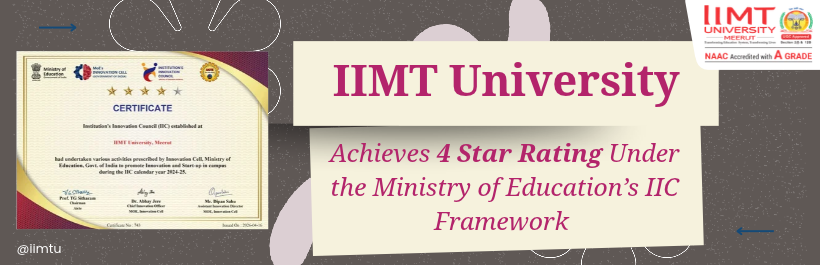
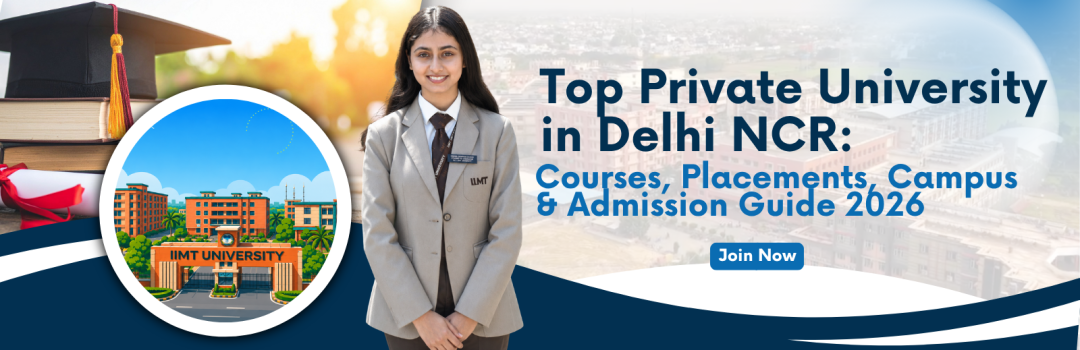
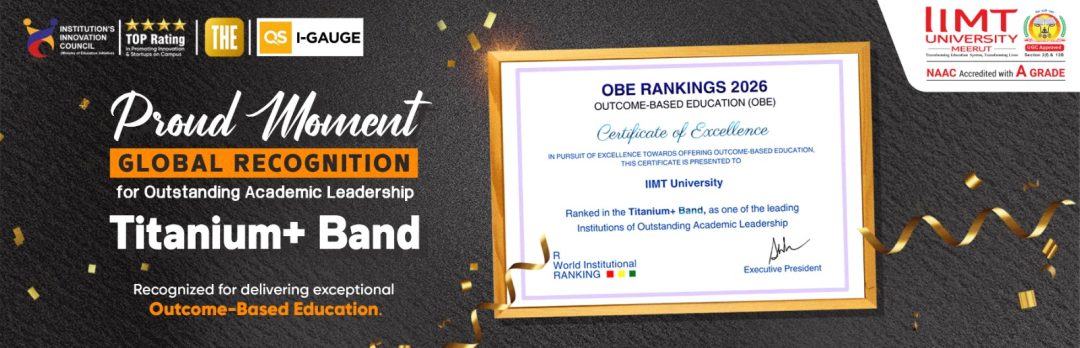
- IIMT University, Meerut — IIMT University’s B.Tech Electrical Engineering program combines an NEP-aligned curriculum with hands-on lab exposure in power systems, control systems, and renewable energy applications. Backed by NAAC ‘A’ accreditation and recognized as a top ranking university in India through multiple 2026 rankings across innovation and academic quality, IIMT University also offers strong placement support through its Corporate Resource & Interface Centre (CRIC), connected with 2,500+ recruiters, making it one of the top private btech colleges in India for students seeking solid fundamentals with accessible admissions.
- SRM Institute of Science and Technology, Chennai — Offers dedicated electives in smart grid technology and power electronics.
- Lovely Professional University (LPU) — A large private campus with flexible specializations and modern simulation labs.
- Amity University, Noida — Strong industry partnerships supporting applied electrical and power systems research.
- Chandigarh University, Mohali — A rapidly growing reputation for placements and updated curriculum in electrical engineering.
- SASTRA University, Thanjavur — Known for research-focused programs and strong faculty mentorship.
What to Look for Beyond Rankings
Before finalizing your choice, evaluate:
- Lab infrastructure — outdated equipment is a red flag for a hands-on discipline like electrical engineering
- Industry tie-ups — internships and live projects matter as much as classroom theory
- Placement consistency — across multiple years, not just headline packages
- Faculty research output — especially relevant if you’re considering higher studies
- Specialization flexibility — access to electives in power electronics, renewable energy, or automation
Final Thoughts
B.Tech Electrical Engineering remains one of India’s most future-ready degrees precisely because it adapts to whatever the economy needs next electric vehicles today, smart grids and automation tomorrow. Whether you’re comparing legacy names or newer private engineering universities in India, the right choice comes down to lab quality, faculty depth, and real placement outcomes areas where institutions like IIMT University are steadily building a credible, competitive reputation.