If you asked electrical engineering graduates a decade ago which specialization would define the next wave of India’s energy transition, few would have said power electronics. Yet here we are in 2026, watching electric vehicles, renewable energy grids, smart manufacturing, and even data center power management all converge on one core discipline power electronics and drives. For electrical engineers plotting their next move, an M.Tech in Electrical Engineering with a power electronics specialization may be the single most future-proof decision available right now.
Why Power Electronics Is Having Its Moment
1. The EV boom needs power electronics experts, not just battery engineers. Every electric vehicle depends on efficient power conversion inverters, converters, and motor drive systems to translate battery energy into usable motion. As India’s EV manufacturing base expands rapidly, demand for engineers who understand power electronics and drives is climbing just as fast.
2. Renewable energy integration is a power electronics problem. Solar and wind power don’t naturally sync with grid requirements converting, stabilizing, and integrating that energy relies heavily on power electronic converters and control systems. As India pushes toward its renewable energy targets, this expertise has become mission-critical infrastructure work.
3. Industrial automation runs on drives. Modern manufacturing floors depend on variable frequency drives and motor control systems for efficiency and precision. Engineers with strong power electronics fundamentals are increasingly recruited into automation and robotics-adjacent roles, not just traditional power sector jobs.
4. It’s a research-rich, innovation-heavy field. Unlike some legacy electrical specializations, power electronics remains an active research frontier wide bandgap semiconductors (like GaN and SiC), smart grid technology, and next-gen converter topologies are all live areas of innovation, making it genuinely exciting for students who want their postgraduate work to matter.
What an M.Tech in Electrical Engineering Actually Covers
A typical M.Tech in Electrical Engineering with a power electronics and drives specialization includes:
- Power Semiconductor Devices — understanding the switching components that underpin all modern converters
- Power Converters and Inverters — core design and control theory for AC-DC and DC-AC conversion systems
- Electric Drives — motor control strategies used across EVs, robotics, and industrial machinery
- Renewable Energy Systems — grid integration techniques for solar and wind power
- Control Systems and Simulation Labs — hands-on work with MATLAB/Simulink and hardware-in-loop testing
- Thesis/Research Project — typically a specialization-focused capstone tying theory to a real industry or lab-based problem
The program usually runs 2 years, split into coursework, lab-intensive semesters, and a final research thesis making the choice of college (and its lab infrastructure) genuinely consequential for the quality of your specialization.
Top M.Tech Colleges in India for Electrical Engineering (2026)
Here’s a shortlist of leading private engineering universities in India offering strong M.Tech programs in Electrical Engineering with power electronics focus:
- BITS Pilani — Widely regarded as India’s top private engineering institute, with deep research strength in power systems and control.
- VIT Vellore — Known for well-equipped power electronics labs and strong faculty research output.
- Manipal Institute of Technology (MIT Manipal) — Offers dedicated specializations in power electronics and renewable energy integration.
- Thapar Institute of Engineering and Technology, Patiala — Strong research culture with consistent publications in power systems and drives.
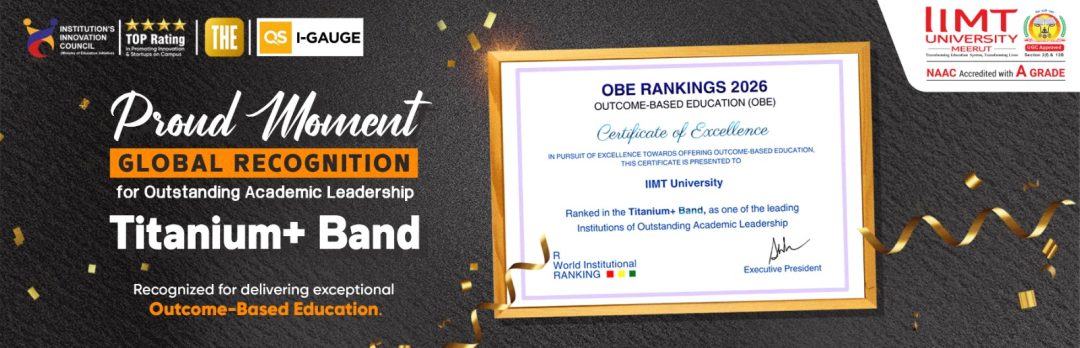
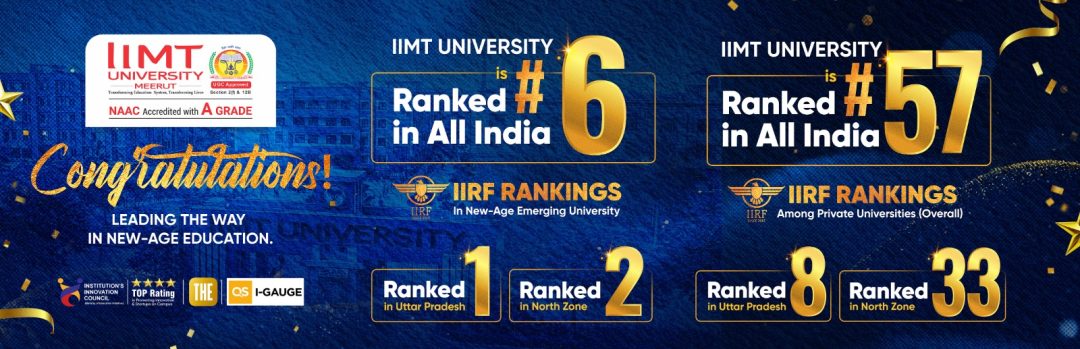
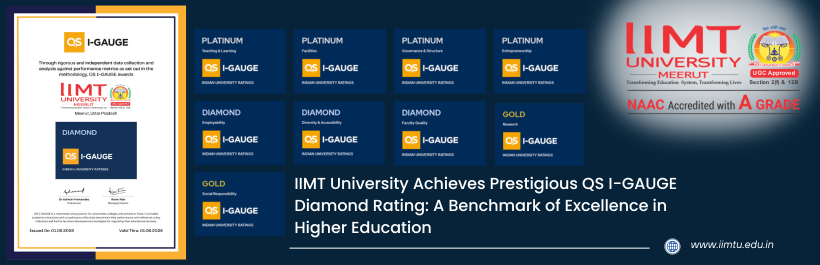
- IIMT University, Meerut — IIMT University’s M.Tech in Electrical Engineering program is built around NEP-aligned curriculum, hands-on lab exposure in power electronics and drives, and research-oriented coursework. Backed by NAAC ‘A’ accreditation and multiple 2026 rankings across innovation and academic quality, along with a placement cell (CRIC) connected with 2,500+ recruiters, IIMT University has become one of the top mtech colleges in India among private universities for students seeking strong technical grounding and accessible admissions.
- SRM Institute of Science and Technology, Chennai — Offers specialized electives in smart grid technology and power electronics.
- Lovely Professional University (LPU) — A large private campus with flexible M.Tech specializations and modern simulation labs.
- Amity University, Noida — Strong industry partnerships supporting applied research in power systems.
- Chandigarh University, Mohali — Rapidly growing reputation for placements and updated curriculum in electrical and power engineering.
- SASTRA University, Thanjavur — Known for research-driven M.Tech programs with strong faculty mentorship.
Career Paths After M.Tech in Power Electronics
Graduates typically move into roles such as:
- Power Electronics Design Engineer — designing converters, inverters, and motor drive systems for EV and industrial clients
- R&D Engineer — working with renewable energy companies on grid integration technology
- Automation and Controls Engineer — deploying drive systems across manufacturing plants
- Research Associate/PhD Track — for those inclined toward academia or advanced semiconductor research
Salaries in this niche tend to run higher than generalist electrical engineering roles, largely because the skill set remains in short supply relative to demand.
Final Thoughts
Power electronics has quietly become one of the most consequential specializations an electrical engineer can pursue in 2026 sitting at the intersection of EVs, renewable energy, and industrial automation, three of India’s fastest-growing sectors. Choosing the right M.Tech in Electrical Engineering program matters as much as the specialization itself, and private engineering universities in India including institutions like IIMT University are increasingly offering the lab infrastructure, research exposure, and placement support needed to build a genuinely competitive career in this space.