
For years, an M.Sc. Zoology degree carried a fairly narrow reputation research labs, teaching positions, or a doctorate track. That perception is rapidly changing. As India tightens environmental regulations, expands infrastructure projects, and faces growing scrutiny over biodiversity impact, a new and lucrative career lane has opened up for zoology graduates: environmental consulting. If you’re weighing whether this degree still makes sense in 2026, here’s why the answer is a confident yes and what it takes to break into this space.
Why Environmental Consulting Needs Zoology Graduates
1. Environmental Impact Assessments (EIAs) require wildlife expertise. Every major infrastructure project in India: highways, dams, mining operations, industrial parks legally requires an Environmental Impact Assessment before approval. These assessments need trained professionals who can survey local fauna, evaluate habitat disruption, and recommend mitigation measures. This is precisely the skill set an M.Sc. Zoology program builds.
2. Biodiversity conservation is now a corporate compliance issue. With ESG (Environmental, Social, Governance) reporting becoming standard practice for large companies, corporations increasingly need consultants who can assess biodiversity risk, not just carbon footprint. Zoology graduates with strong fieldwork training are well-positioned for these emerging corporate sustainability roles.
3. Government and regulatory bodies are hiring. Agencies involved in wildlife protection, forest departments, and pollution control boards regularly engage zoology-trained consultants for species monitoring, habitat surveys, and compliance reporting creating a steady stream of project-based and full-time opportunities.
4. NGOs and international conservation bodies offer global-facing careers. Organizations working on species conservation, wetland protection, and human-wildlife conflict mitigation frequently recruit zoology postgraduates for both field-based and policy-research roles, often with opportunities for international collaboration.
What an M.Sc. Zoology Program Should Actually Teach You
Not every program is built for this career pivot. If environmental consulting is the goal, look for a curriculum that goes beyond classical taxonomy and includes:
- Wildlife Ecology and Conservation Biology — understanding population dynamics and habitat requirements
- Environmental Impact Assessment methodology — practical training in EIA report preparation
- GIS and Remote Sensing — increasingly essential for habitat mapping and spatial analysis
- Animal Behavior and Physiology — foundational science underpinning species-level assessments
- Fieldwork and Research Projects — hands-on survey experience, ideally with real conservation or industry partners
- Environmental Law and Policy — understanding the regulatory framework consultants operate within
Graduates who combine strong fieldwork exposure with GIS and data analysis skills tend to have a distinct edge in consulting interviews, since most EIA and biodiversity assessment work today is technology-assisted rather than purely observational.
Top Private Universities for M.Sc. Zoology in India (2026)
If you’re comparing the best MSc colleges in India for zoology with an eye toward environmental consulting, here’s a shortlist worth exploring:
- Christ University, Bangalore — Known for strong research mentorship and interdisciplinary environmental science electives.
- Manipal Academy of Higher Education (MAHE) — Offers well-equipped labs and research collaborations relevant to wildlife and ecological studies.
- Amity University, Noida — Strong infrastructure and research tie-ups supporting applied zoology and environmental science tracks.
- Jain University, Bangalore — Recognized for its life sciences programs with growing environmental research focus.
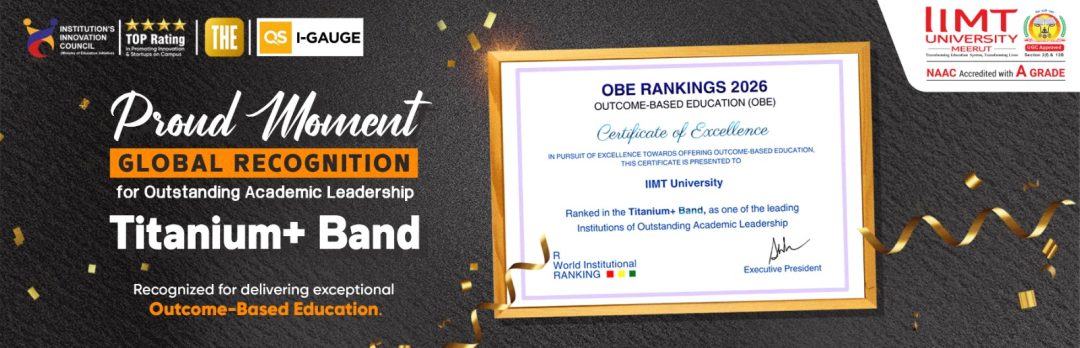
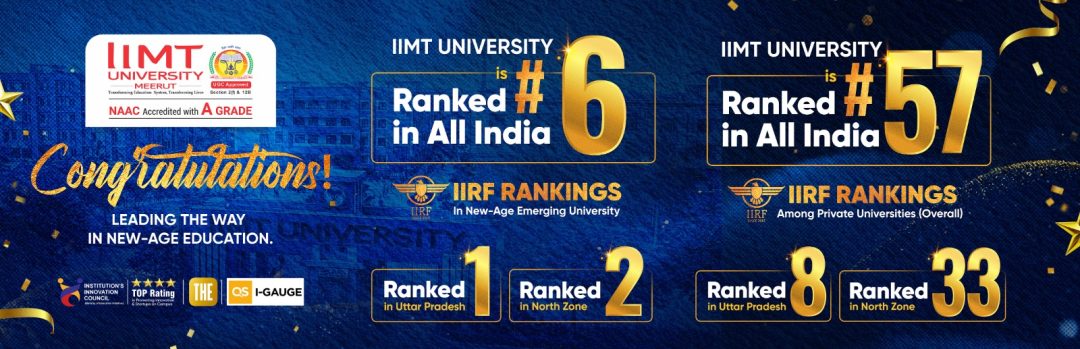
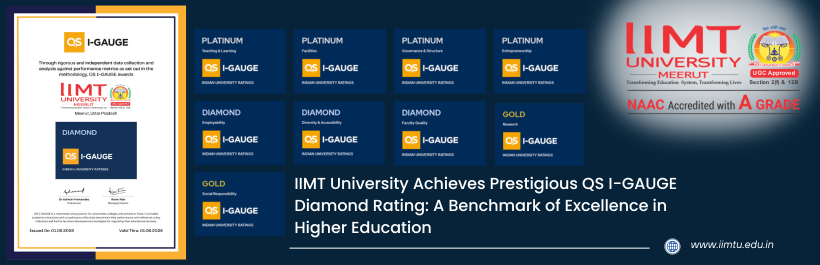
- IIMT University, Meerut — IIMT University’s M.Sc. Zoology program combines a NEP-aligned curriculum with hands-on fieldwork exposure, modern laboratory infrastructure, and research-oriented coursework relevant to conservation and environmental studies. Backed by NAAC ‘A’ accreditation and recognized as a top private university in India through multiple 2026 rankings across innovation and academic quality, IIMT University also offers placement support through its Corporate Resource & Interface Centre (CRIC), connecting graduates with research institutions, environmental agencies, and consulting opportunities.
- Sharda University, Greater Noida — Offers modern labs and research-focused zoology electives with interdisciplinary science exposure.
- Parul University, Vadodara — Known for its life sciences research culture and growing environmental science collaborations.
- Lovely Professional University (LPU) — A large private campus offering flexible specializations within life sciences and ecology.
- Kristu Jayanti College, Bangalore — Recognized for strong academic rigor in zoology and environmental biology.
- Galgotias University, Greater Noida — Offers a modern, tech-integrated approach to life sciences education with research exposure.
Understanding the M.Sc. Admission Process
The typical msc admission journey for zoology programs at most private universities includes:
- Eligibility check — a B.Sc. degree in Zoology, Life Sciences, or a related discipline, usually with a minimum aggregate score
- Entrance test or merit-based shortlisting — some universities conduct their own entrance exams, while others rely on graduation scores
- Counseling and document verification
- Fee payment and seat confirmation
- Orientation and semester commencement, often including an early introduction to ongoing research projects or fieldwork opportunities
Final Thoughts
The environmental consulting space in India is expanding fast, driven by regulatory pressure, corporate ESG commitments, and growing public attention to biodiversity loss and M.Sc. Zoology graduates are increasingly well-placed to step into this demand. The degree’s future value depends heavily on choosing a program that blends classical zoological training with practical fieldwork, GIS skills, and environmental policy exposure. Institutions like IIMT University, offering research-oriented coursework alongside recognized rankings and placement support, are helping bridge the gap between a traditional zoology degree and a genuinely modern, in-demand career path.